


New Build vs Retrofit: Why Material Compatibility Is Becoming a Bigger Conversation
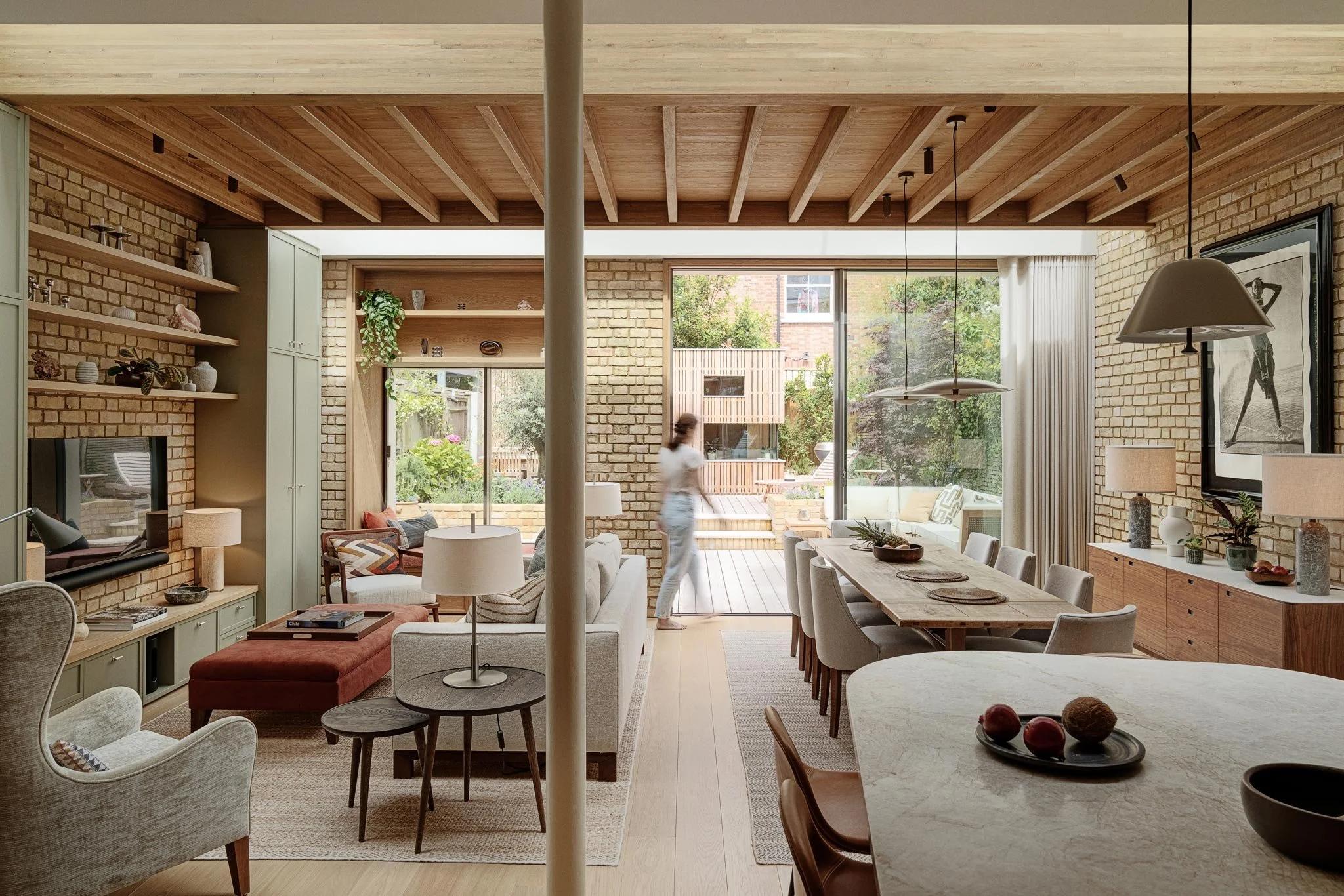
As the architecture and design industry continues to prioritise sustainability, the conversation around material selection is evolving. Beyond aesthetics and environmental credentials, architects and designers must consider how materials interact with buildings, manage moisture and perform over time. However, these considerations can look very different depending on whether a project involves a new build or the adaptation of an existing structure.
At the Alliance for Sustainable Building Products (ASBP) Natural Materials Summit, held on 21 October 2026, industry specialists explored the role of natural materials in both new-build and retrofit projects. From lime plasters to natural fibre insulation and breathable paints, the discussions highlighted an important question: how can designers ensure the materials they specify are compatible with the buildings in which they are used?
With new build and retrofit also set to be discussed on the stages at Surface Design Show 2027, material compatibility is becoming an increasingly relevant topic for architects, interior designers and specifiers.
Different Buildings, Different Material Needs
New-build and retrofit projects present different opportunities and challenges when it comes to material specification. While new builds allow architects to select materials and design systems that work together from the earliest stages, retrofit projects require designers to work with an existing building fabric, often constructed using very different methods.
Traditional buildings, particularly those constructed using brick, stone and lime, often rely on materials that absorb and release moisture. Introducing modern products without considering these characteristics can disrupt the way a building manages moisture, potentially leading to damp or deterioration.
In contrast, contemporary new builds can be designed around specific insulation, ventilation and moisture-control strategies from the outset. For designers, this raises an important consideration: a material that performs well in a new development may not necessarily be suitable for an older property, making compatibility essential to successful specification.
Why Traditional Materials Are Back in the Spotlight
One of the key themes explored at the ASBP summit was the renewed relevance of traditional building materials. Peter Rollinson, Technical Manager at Mike Wye, discussed the importance of lime-based products in both heritage and modern construction.
In retrofit projects, particularly those involving traditional masonry, appropriately selected lime mortars can accommodate modest movement and support moisture movement through walls. Unlike harder cement-rich alternatives, their porosity and flexibility can help them work with the existing building fabric rather than against it.
In new-build projects, lime-based products can also be incorporated into compatible wall systems, but designers have greater freedom to plan how different materials will interact from the beginning.
The presentation challenged the assumption that stronger materials are always better. Whether working on a new build or retrofit, the most appropriate material is not necessarily the strongest, but the one best suited to the building's construction and performance requirements.
Looking Beyond the Surface
Material compatibility is not limited to structural components. The paints, plasters and finishes selected for a space can also influence how a building performs, making surface specification particularly important in both new-build and retrofit projects.
At the summit, Anton Boekhoudt of KEIM Mineral Paints explored the importance of breathability in surface finishes, particularly when working with traditional building materials. Although breathable is a familiar term in the industry, it is often used inconsistently in product marketing. The presentation highlighted the importance of measurable performance characteristics, such as SD values, which indicate a coating's resistance to water-vapour diffusion.
For retrofit projects, this is particularly relevant when applying new finishes to existing walls that need to release moisture. Selecting an unsuitable coating can restrict drying and contribute to long-term maintenance problems.
In new builds, designers can coordinate paints and finishes with the intended wall construction from the outset, ensuring they support the overall system.
For interior designers and specifiers, the message is clear: choosing the right surface involves more than colour, texture or visual appeal. It also means understanding what lies beneath it.
Natural Materials and Building Performance
Natural fibre insulation was another focus of the summit, with Neil Turner of Ecological Building Systems exploring materials including wood fibre, cellulose, cork, hemp and sheep's wool. Alongside their potential environmental benefits, these materials offer properties relevant to thermal comfort, acoustic performance and moisture management. Their applications across both new-build and retrofit projects demonstrate how the same materials can serve different purposes depending on the building.
In new builds, natural insulation can be incorporated into wall and roof systems designed around its properties from the beginning. In retrofit projects, insulation must instead be carefully selected to work with existing structures, taking into account factors such as available space, moisture behaviour and the condition of the building fabric.
This highlights a wider point: material innovation is not simply about introducing new products, but understanding how materials can be applied appropriately across different building types.
Continuing the Conversation at SDS27
As the industry looks for ways to create more sustainable, resilient and adaptable spaces, understanding the different demands of new-build and retrofit projects is becoming increasingly important. At Surface Design Show 2027, taking place from 2–4 February at London's Business Design Centre, new build and retrofit will be among the topics explored across the show's stages.
Bringing together architects, interior designers, manufacturers and material specialists, SDS27 will provide an opportunity to examine how thoughtful specification can respond to the challenges of both contemporary developments and existing buildings.
As the ASBP Natural Materials Summit demonstrated, responsible design is not always about finding something new. Sometimes, it begins with understanding how the materials we already have can work better together.