)
)
)
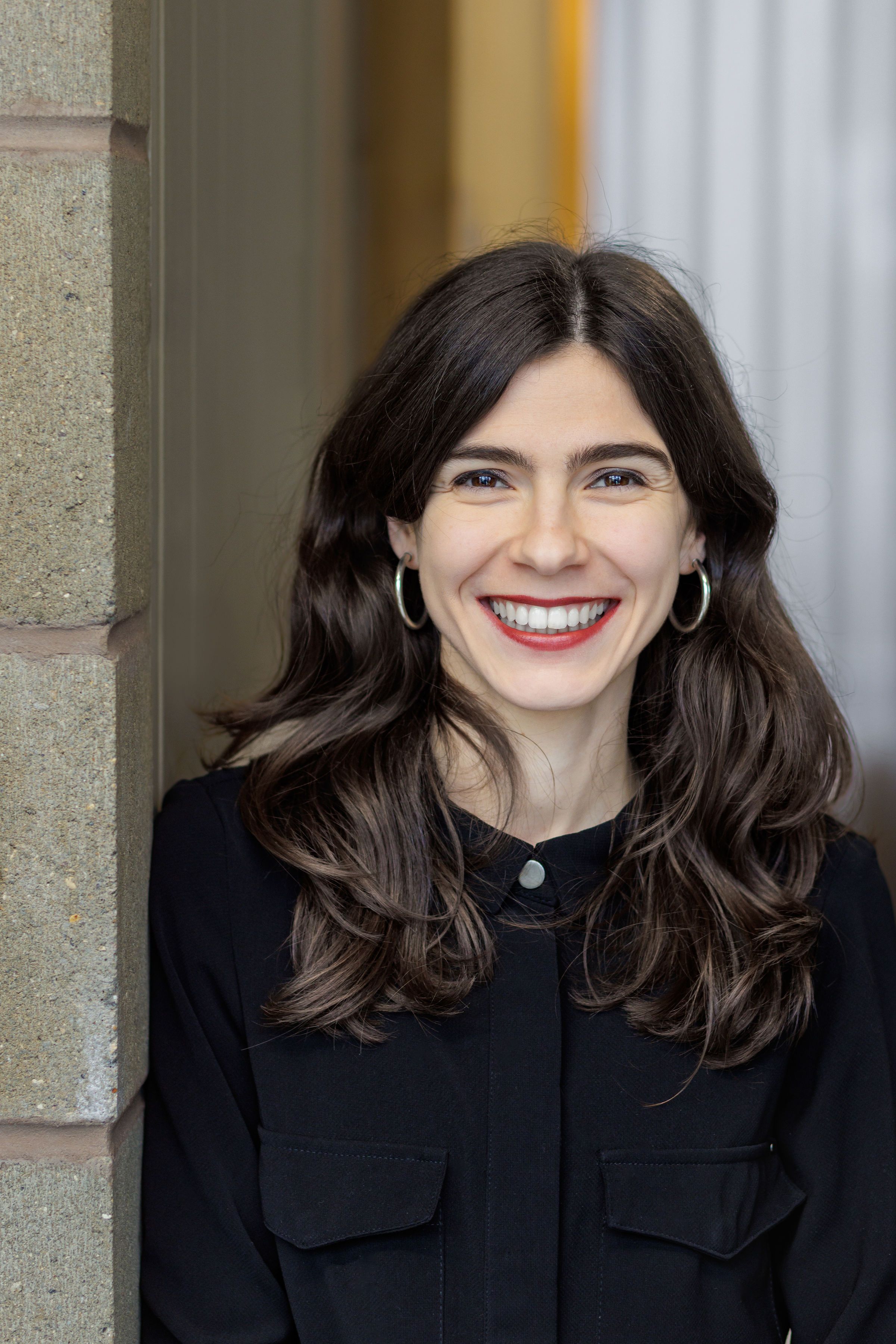
Q&A with Ana Rita Martins, Sustainability Lead at MCM
Can you tell us about a time you worked on a fast-paced design or construction project, where you had a tight timeline?
Tight timelines are now the new normal as we are in fast pace world! The real skill is knowing how to deliver high quality, sustainable and ethical projects, while staying aligned with budget and time constraints. One good example is a project we are currently designing for Workspace Design Show, called Circular Hub with a strong aspirational circular ethos. It is a very fast-paced project, but it shows how with the right partners, communication and commitment to the vision, you can move quickly without compromising the values of the design.
MCM is known for combining architecture, interiors, and strategy into one process. Can you describe a project where you had to balance design ambition with client business goals and budget restraints?
This balance is really the starting point of every brief! Our MCM approach is always to work closely with the client to understand their ambitions, and then translate those into beautiful spaces that support their people and their best work, while remaining realistic about cost and delivery. One of MCM’s biggest strengths is our scale we have the right size of studio to allow all departments of expertise to collaborate closely. That constant dialogue creates strong problem-solving thinking, where strategy, design and budget are always moving together, not in conflict.
With hybrid working becoming standard, what trends do you see shaping the future of workplace design?
Hybrid working or in some cases a full return to the office, depends very much on the client’s sector and culture, and this is part of the puzzle. Beyond trends, what really matters is creating the right environment to attract and retain talent. That means designing resilient, long-term spaces that are inclusive, accessible and adaptable. At the same time, these spaces must respond to the fast-moving landscape of AI and digital transformation, which is already reshaping how people work.
Can you share an example of how you’ve used digital tools or automation to improve building maintenance or reporting?
Yes on some projects we have integrated live metrics to understand how buildings perform. For example, it was measured movement across the building, quantified light levels and air quality in all areas, and introduced tools that gamify health and wellbeing across the workspace. These systems not only support better building maintenance and reporting, but also help clients make more informed, human-centred decisions about their spaces.
Have you worked on projects that integrated WELL, LEED, or BREEAM standards? How did those requirements influence your design process?
I have worked on dozens of projects across many scales with a wide range of ESG certifications. At the same time, some clients prefer to move beyond the traditional “tick-the-box” systems and develop their own sustainability frameworks. What matters most to me is defining clear sustainability goals that create a genuine positive impact, environmental and social and then measuring those goals through strong, transparent metrics aligned with forward-thinking industry guidelines around net zero, wellbeing and accessibility.