)
)
)
Q&A with Jorge Mendez Caceres, Founding Director at ForEveryday.Life
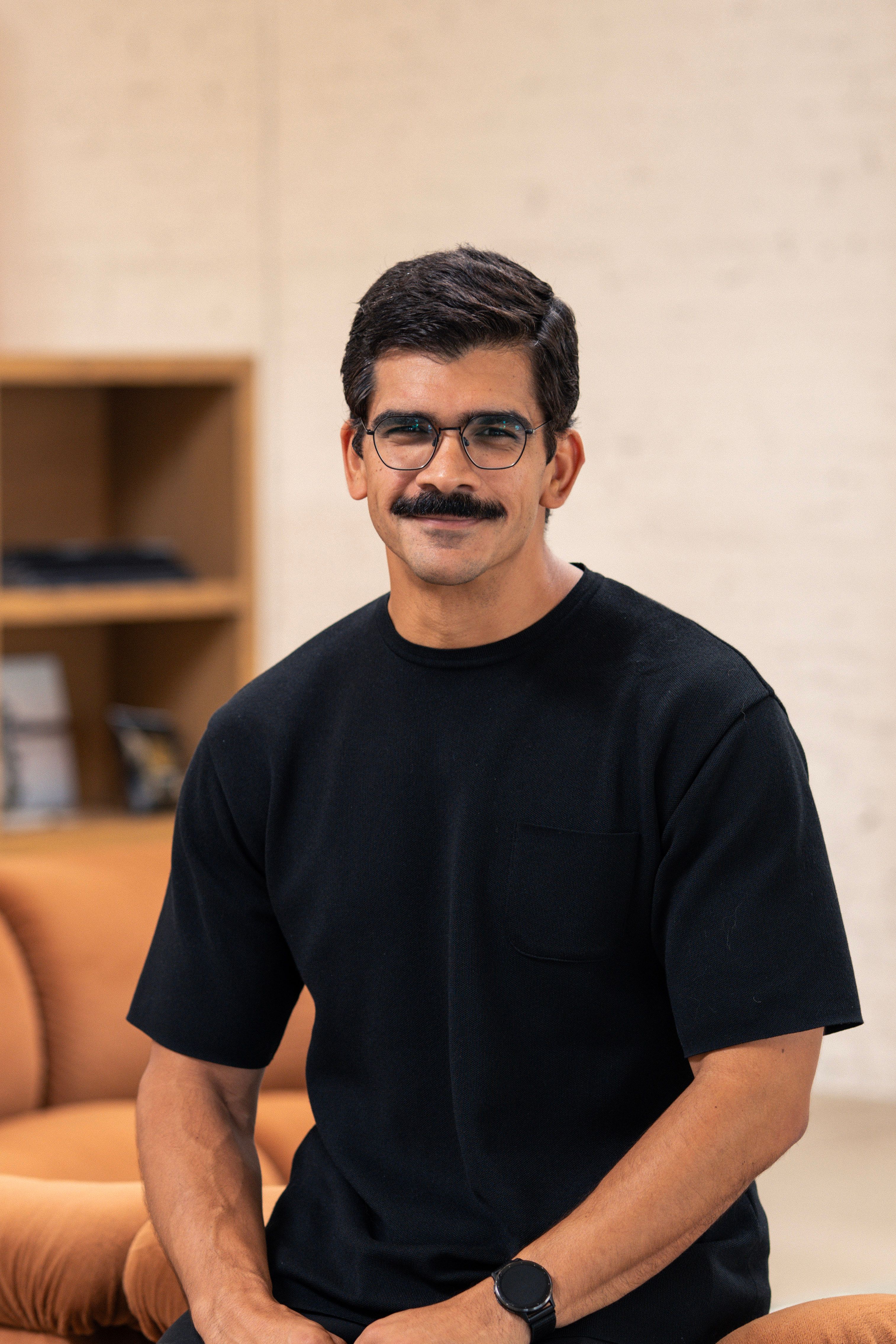
Are there core values that shape the way you approach design, materials, and the lived experience of the people who use your spaces?
Very much so. At our studio, For Everyday Life, we try to keep things clear and grounded but thinking about the future. We think a lot about how people actually use spaces day to day, not how they look in a photo. Materials matter because they are what people touch, hear, and live with. We care about things feeling honest, practical, and considered, and about designing spaces that people feel comfortable returning to over time.
What types of projects excite you the most right now? Are there particular sectors, scales, or challenges that feel especially energising for the studio at this moment?
We are most energised by projects that sit in between categories. Workplaces that feel social, exhibitions that behave like architecture, and temporary projects that still need to be well thought through. Projects with constraints, whether budget, time, or context, often push us to be more creative and make better decisions.
Are there new techniques, sustainable materials, or craft traditions that are influencing your recent projects?
Yes, quite a few. We are looking at modular systems, digital fabrication, and materials that can be reused or adapted rather than thrown away. We are also drawn to craft traditions that focus on repair, repetition, and making things last. These approaches often feel more relevant than overly complex or fragile solutions.
What role does sustainability play in your practice?
Sustainability is part of the way we work, not something we add on later. We try to ask simple questions early on: do we need this, can it last, and what happens to it in the future? Often, that leads to fewer materials, simpler details, and more flexible spaces, which usually benefits the project overall.
What challenges do you think the design industry needs to confront right now? And how have they affected your projects?
One of the biggest challenges is the gap between how projects are presented and how they actually perform over time. There is still too much focus on image and not enough on use, maintenance, and impact. This has made us more direct in conversations with clients and more careful about the choices we make, especially when it comes to materials and longevity.