GREEN GRADS 2026

green grads header

GREEN GRADS is a “platform” promoting recent graduates of UK Universities who are confronting the world’s most pressing eco-issues, and fourteen of them are coming to the Surface Design show on a joint stand.

GREEN GRADS’ founder/curator is Barbara Chandler, who for over 25 years was the design editor of the London Evening Standard. She explains: “Our graduates are tackling sustainability, climate change, circular production, waste and pollution, biophilia, bio-diversity and much more. They include engineers, product and furniture designers, material scientists, ceramicists, textile and graphic designers, craftspeople, artists, and film makers.” 

GREEN GRADS, which began in 2021, promote these graduates and their projects through shows, films, informal Salons, a website, a YouTube channel and Instagram – and including the fourth cohort of 2024, there are now 200 GREEN GRADS in total.  Barbara Chandler adds: “And we are delighted to be invited by director David Todd to introduce a select bevy of GREEN GRADS to the Surface Design Show. We’ll showcase innovative furniture, fabrics, ceramics and biomaterials, all ready to hit the market. Our GGs are no longer students but assured professionals with the environment as their first priority.” 

www.greengrads.co.uk 

@greengradsuk 

Amelia Wylam 

Wisps of Light 

 “I am inspired by the beauty of nature and the potential of natural resources.” 

Wisps of Light explores shifting sunlight’s reflections and shadows which, for Amelia, express earth’s natural rhythms with a positive effect on wellbeing. “I found that the patterns of natural light brought me feelings of calmness, grounding and presence – I wanted to capture their benefit and beauty.”

Embroidered wall hangings echo these subtle contours and celebrate natural colours. Amelia has worked with silks, natural dyes, biodegradable thread, bio-sequins, and innovative root fabric – “to reduce my chemical impact and share the potential of nature’s materials.” 

Amelia has already won several Awards, including Best Dissertation 2025 and Best Sustainability Project 2025 from her course at university. After winning an Award from The Embroiderers’ Guild at New Designers 2025, she is currently following the Guild’s Graduate Award programme, which includes training in business and photography. 

BA Textile Design, Nottingham Trent University, 2025

@ameliaw_textiles


Amelia Wylam

“I am a GREEN GRAD as sustainability is an inherent part of my practice, lifestyle and personal ethos. GREEN GRADS has brought opportunities to network, and platforms to share my work. Plus valuable advice from the Award judges.” 


Anna Eerdmans

Anna Eerdmans

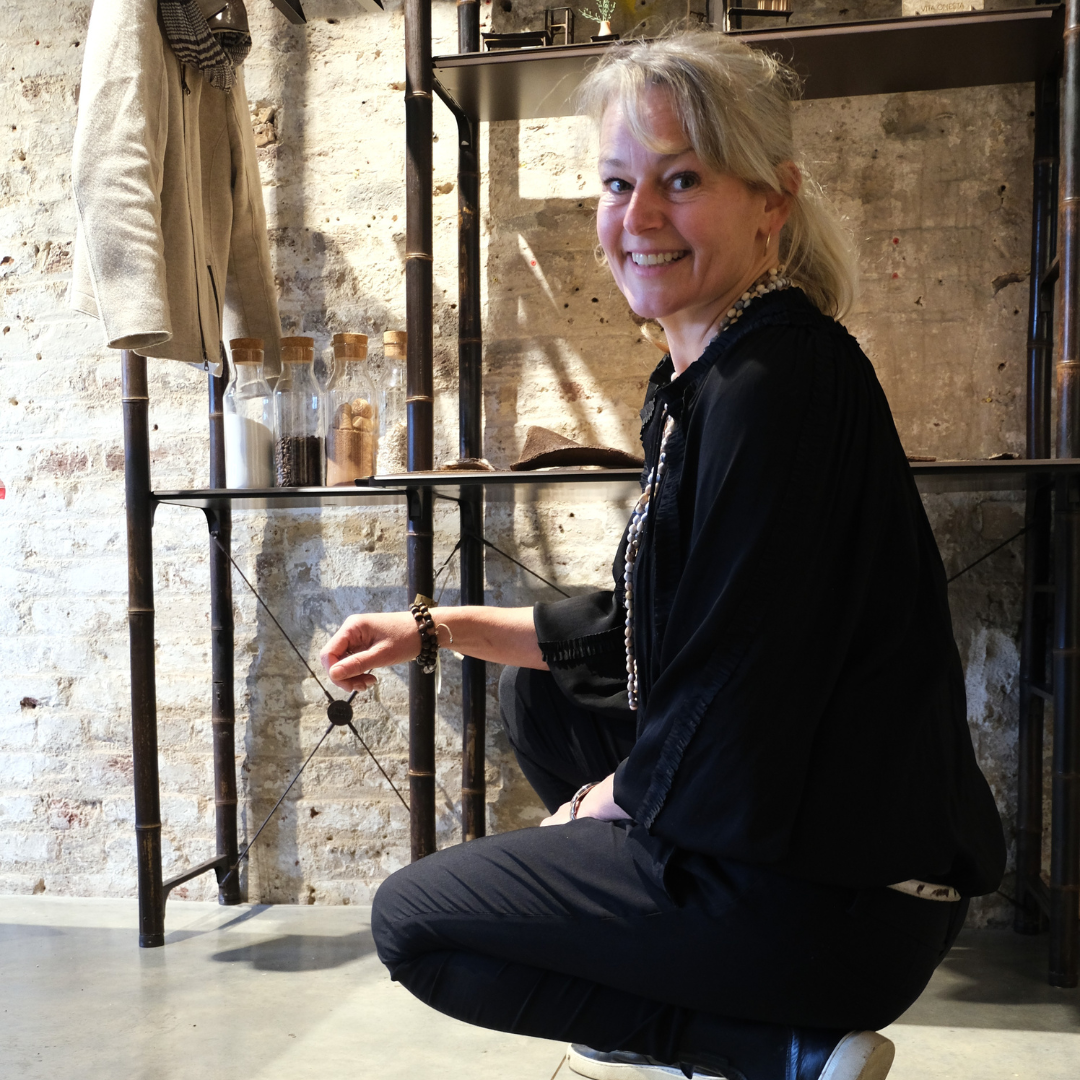
Vita Onesta

Vita Onesta (“honest living”) is designer Anna’s commitment to regenerative design and materials. Here is a versatile modular shelving unit which can transform into a desk, a wardrobe, a TV unit, a chest of drawers, a table and/or a room-divider. It is made of raw bamboo poles, with shelves of hemp and cork, along with composites of used coffee grounds. There is no glue or formaldehyde. Anna, a mother of three, who has a background in banking and interior design, was inspired by Dieter Ram’s Vitsoe 606 universal system – “but using regenerative materials with no compromise on quality.”

She adds: “Design should of course embrace function, materials and good looks. But it should also be durable, versatile, inclusive and able to be repaired. And I believe that high-end, functional design can also reflect environmental responsibility.”

Anna’s new practice, Studio Onesta, explores underutilised materials for furniture such as hemp, alongside linoleum and aluminium.

BA Product Design, Ravensbourne University, 2025.

@annaeerdmans

 “Through GREEN GRADS I have found like-minded people, for inspiration and collaboration. This has created many opportunities for my natural and regenerative materials.”

Carbon Cell

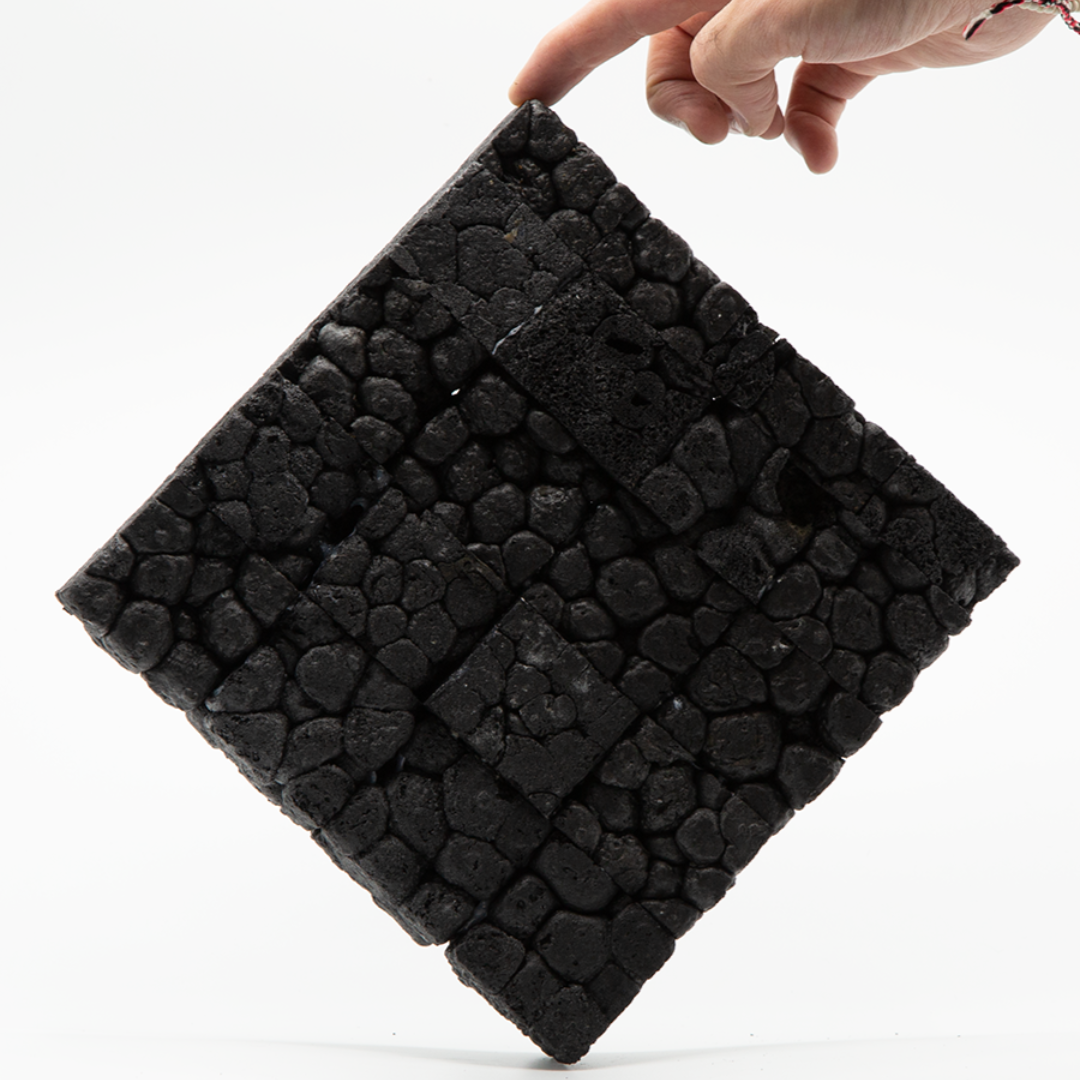
Carbon Cell, a collaboration between MA/MSc RCA/Imperial College graduates Elizabeth Lee, Ori Blich and Eden Harrison, is a fully compostable, non-toxic and carbon-negative replacement for polymer-based foams. Its crucial ingredient is biochar - that's what makes Carbon Cell carbon-negative.

(The high-heat oxygen-exclusive process of making biochar from agricultural waste “locks in” C02 sequestered by plants so that it can’t be released into the atmosphere – which would otherwise happen if this waste was left to rot or burned conventionally. This means the process ultimately removes more CO2 from the atmosphere than it emits.)

Carbon Cell is three times stronger than EPS. It has good thermal conductivity and fire resistance, and promising sound insulation properties. Thus, this radical new material has many potential applications, from food packaging to construction, and can easily be moulded into different shapes to order.

“We will manufacture sheets of Carbon Cell for use in thermal insulation and acoustic panels; additionally we can laminate our foam with veneer, textiles, card, or other layers to create foam core products for interiors, retail, and furniture.” The team is currently building a demo production line at their base in Camden. “We aim to scale up and adapt existing foam manufacturing technology to hasten commercial production.”

Carbon Cell has been recognised with multiple Awards and funding, including Tech Nation Top 25 Climate Tech Companies to Watch 2026.


MA/MSc Innovation Design Engineering, Royal College of Art/Imperial College London, 2023.

@carbon_cell_co


Carbon Cell

“We are proud and grateful to be part of the GREEN GRADS designers and graduates working to combat climate change and promote social sustainability. GREEN GRADS shows are a great way to raise awareness and start meaningful and influential conversations.”


Charlette Costin

Charlette Costin

Out of sight: the Oyster Column and Anti-trawl Blocks

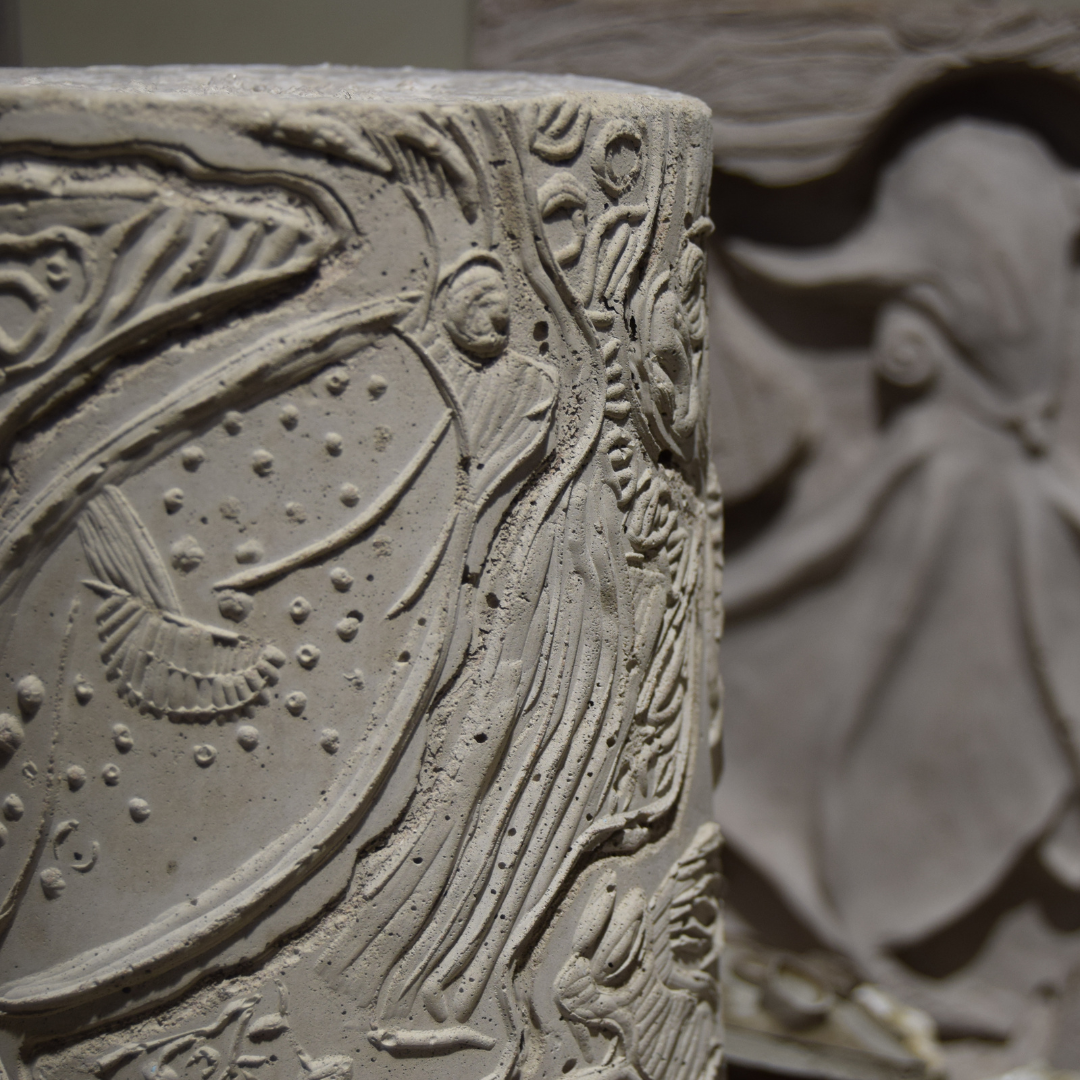
Charlette is investigating the mass destruction of our oceans caused by the widespread practice of bottom-trawling. This wasteful and damaging way of fishing drags heavy nets and chains along the sea floor, capturing everything in their path.  They bulldoze fragile underwater habitats and also release carbon from the seabed.  As only one or two species are wanted, more than three quarters of everything else that is caught may be thrown away as “discards.” Charlette has made small-scale prototypes of structures that that would sit on the sea bed to prevent trawlers from operating, together with oyster-concrete cylinders to restore seagrass and oyster habitats. “I am motivated by my love of the ocean as a scuba diver. I was heavily inspired by anti-trawling boulder drops by Green Peace; and by La Casa Dei Pesci, an underwater museum which used art to combat illegal trawling. I want to use my design skills for a real purpose.” Charlette’s beautifully-embossed cylinders are evocative of creatures of the deep. Using waste oyster shells for a concrete mix, she is hoping in the future to use only waste shells and glass. “My cylinders can regenerate depleted sea grass and oyster habitats. They combine a visual protest with a practical solution.”She adds: “You could say I am developing a surface for the sea! I want my sculptural designs, with their oyster-shell-inspired surface biomimicry, to re-establish biodiversity in areas affected by destructive fishing practices.”Charlette was short-listed for New Designer of the Year at New Designers 2025.

BA Textile Design, Loughborough University, 2025.

@charlette_costin_design

“GREEN GRADS has validated my commitment for developing sustainable solutions for the future - and a fantastic opportunity to mingle with other like-minded graduates with a passion for creativity and innovation.”

Claire Malley

Wish You Were Here and Bloom Textile Collection

“I am creating/nurturing dialogues about the creative potential of textile waste – and spotlighting the need for more sustainable design.”

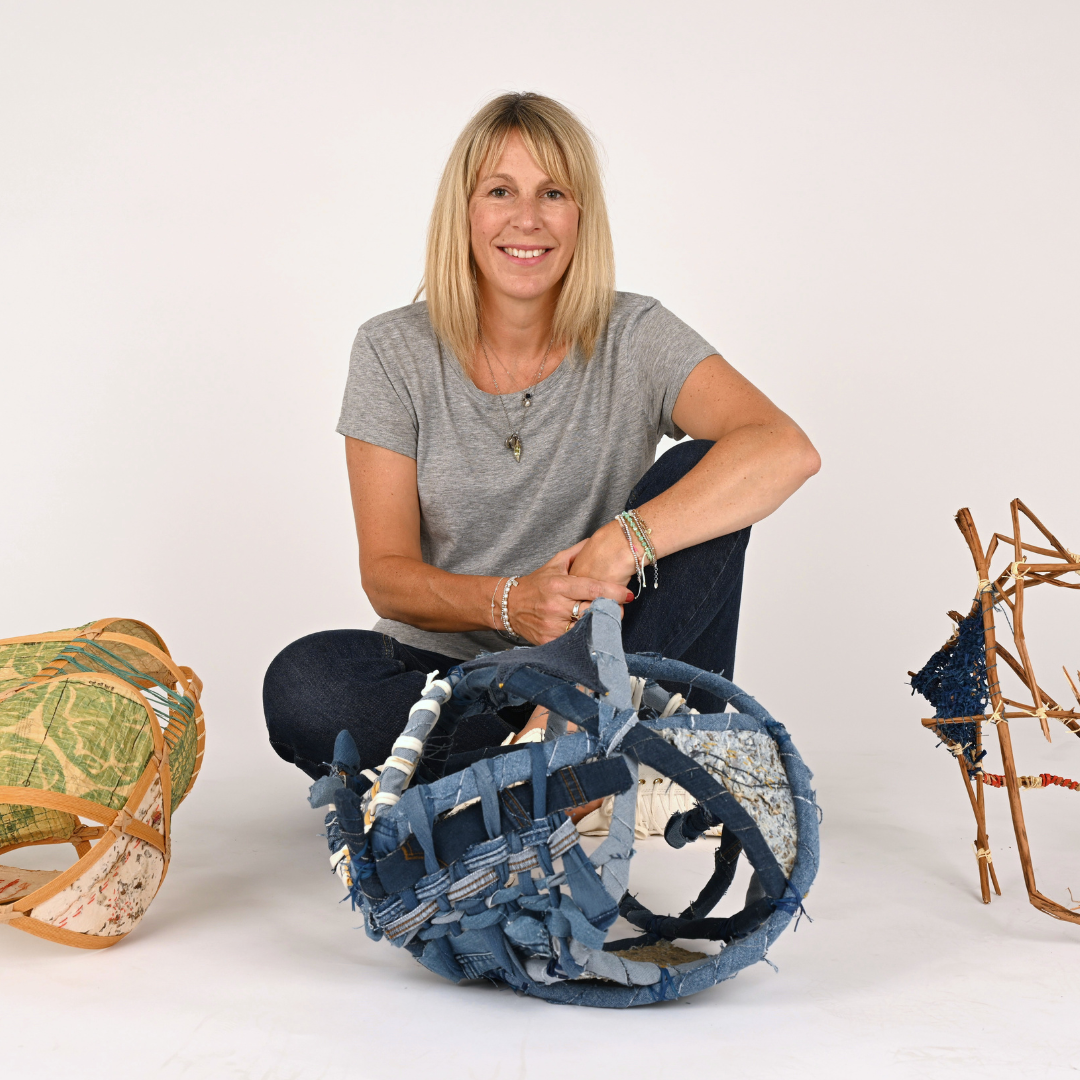
Accordingly, Claire is showing wall hangings woven from denim waste and handmade paper panels/artwork fashioned from fabric offcuts and recycled yarns.  “I am sparked by my own familial textile heritage, SEM (Scanning Electron Microscope) and CMF (Colour, Material, Finish) research, as I explore themes of belonging, resilience and journeys connecting our human experience, life cycles and circularity.”

Claire’s work is available to commission. The panels, which have acoustic properties, can be made to any size with a variety of stitched designs and patterns. Mounted in a frame, they can become a screen or room divider.

Claire has extensive experience in organising and running community workshops. She was Vita Group winner at Liberty London in the Embrace the Selvedge 2025 Design Project, reflecting the essence of Liberty with bold contemporary fabrics for welcoming community spaces. She presented fabric designs, woven wall hangings and handmade paper panels made from waste.

MA Textiles, Manchester Metropolitan University, 2025.

@clairemalleyart


Claire Malley

“GREEN GRADS has developed my confidence through speaking with visitors and fellow GREEN GRADS, connecting my practice with a wider audience – to champion sustainable design innovation.”


Izzy Kelly

Izzy Kelly

Fallen Furniture

The UK is the third biggest importer of timber worldwide, yet is one of the world’s most nature-depleted countries, in the bottom 10% globally for biodiversity.  Furthermore London councils alone fell over 5,000 trees a year, which are mostly chipped or burnt with consequent release of carbon back into the atmosphere. And flawed schemes for timber certification allow illegally sourced timber to be sold globally. Izzy’s project calls attention to these shocking statistics. Fallen Furniture is made from waste timber from within a two-mile radius of Kingston University (where she has been studying).

“After contacting local tree surgeons, I was inundated with logs, all completely free, saved from chipping/burning, and transported to the workshop by foot to eliminate carbon emissions.” Her simple design allows the unique qualities of each piece of timber to shape how the furniture looks and functions. Just one design for a multi-purpose stool/table/shelf can be modified to suit the timber collected – allowing the beauty and individuality of each log to shine through.  Finally all furniture is engraved according to the What3Words global location system for transparency and provenance.

BA Product and Furniture Design, Kingston University, 2024.

@izzykellydesign

“GREEN GRADS has showcased my work at multiple exhibitions. It’s given me confidence and connected me with some fantastic people, not least other GREEN GRADS.”

Josh Myers

Denimolite

“I believe that materials, design and engineering can—and must—play a role in addressing the environmental impact of the industries we’ve built.”

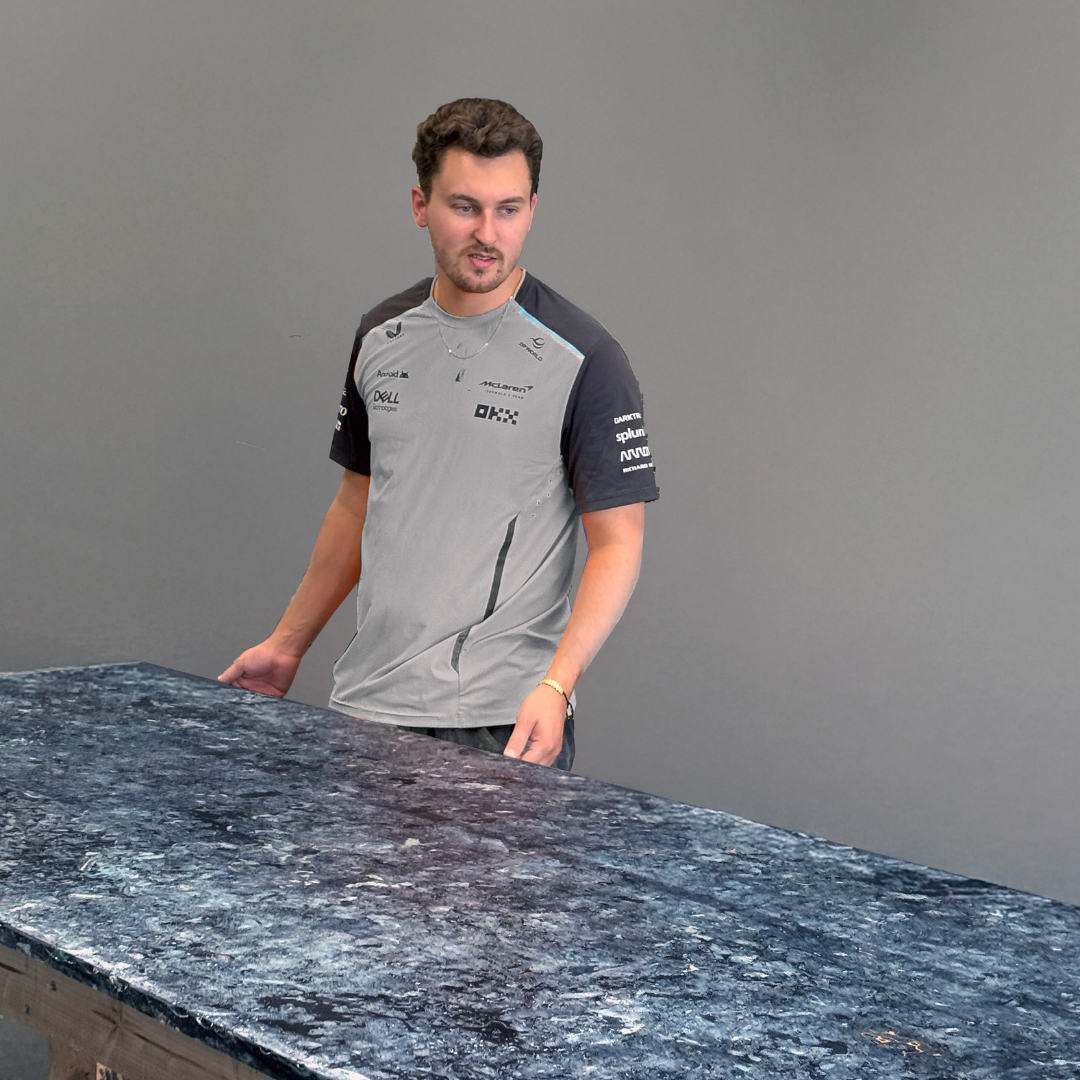
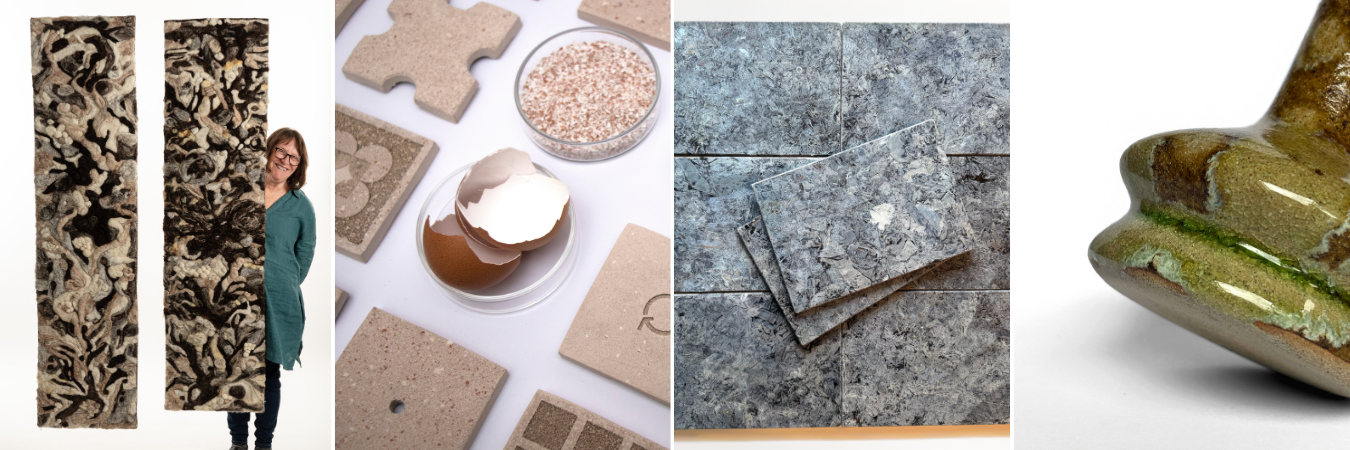
Josh has perfected Denimolite, a unique composite material made from waste denim – “one of the most beloved fabrics in modern wardrobes.” It combines unusable manufacturing off-cuts, unwanted donated garments, and notoriously difficult-to-recycle “stretch” denim, with a plant-based bio-resin. The result is one-of-a-kind materials for interior designers, home renovators, commercial designers, and architects. Denimolite is hard, strong and durable and comes in sheets, panels, bricks and bars.

It can replace or complement traditional finishes such as stone, terrazzo, laminate, and engineered panels. It has a distinctive, marbled appearance, with a choice of thickness, colour and finish. It can be used for cladding, furniture, countertops, and for joinery, and for many special features. An interior with Denimolite visibly embodies circular design, turning waste fashion into durable, story-rich architectural elements. “Through continued research and development, we will further refine and upscale Denimolite for commercially viable production.”

Denimolite has won numerous Awards, including the Materials in the Plastics Industry Award, and the New Designers Materials Innovation Award (both 2023).

BSc Engineering Product Design, London South Bank University, 2023.

@denimolite


Josh Myers

“The visibility, credibility and conversations generated through GREEN GRADS are invaluable in helping emerging sustainable practices like Denimolite reach designers, brands and decision-makers who can turn ideas into real-world change.”


Lydia Hill

Lydia Hill

Going, Going, Gone.

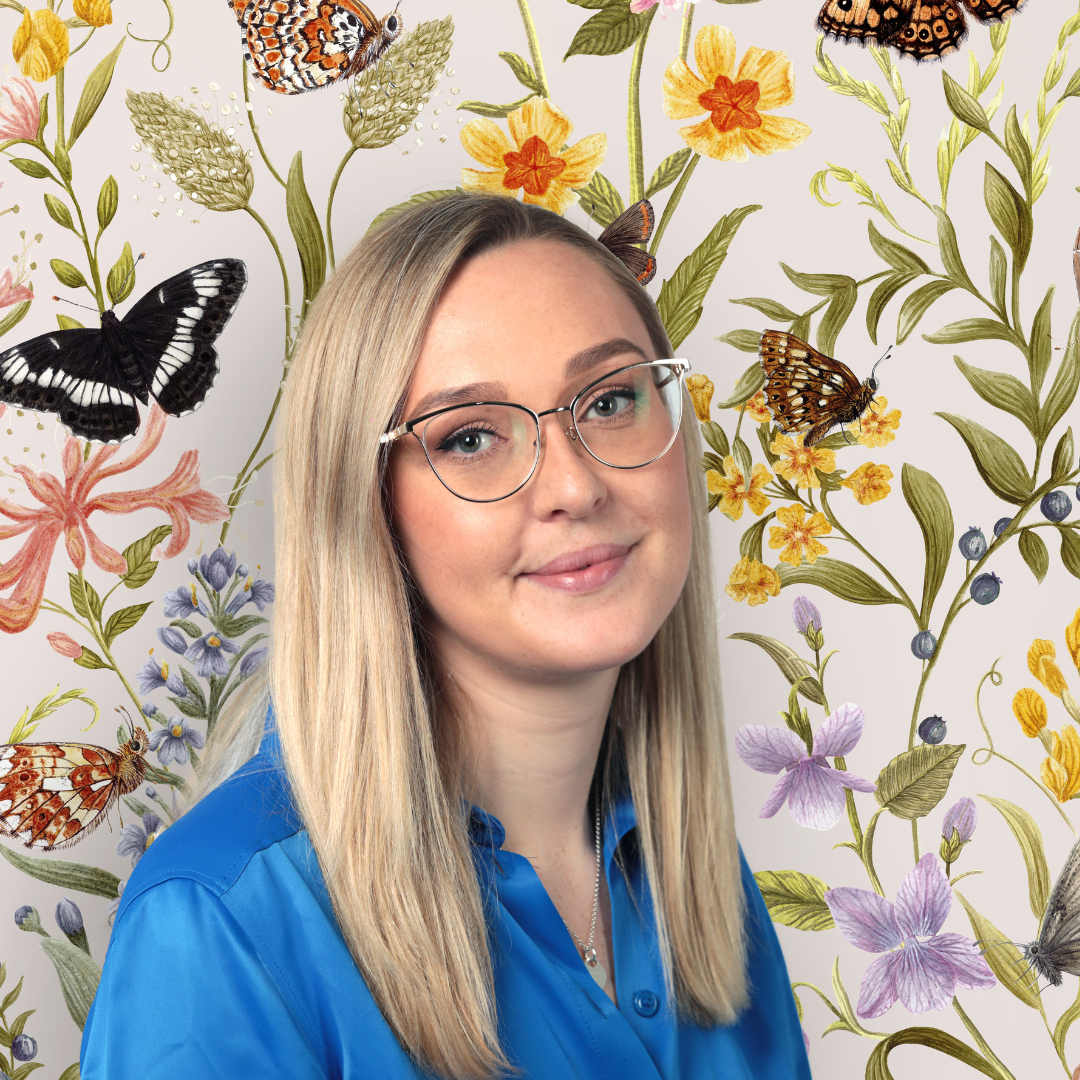
Lydia calls her textile designs “gentle activism” to draw attention to the British butterfly crisis. Using handmade natural inks, she has meticulously depicted three main groups on the Red List of British Butterflies: the Vulnerable, the Endangered and the Extinct, together with their host plants. “To mimic this loss of life, I have made a pictorial timeline where the designs fade out. My Vulnerable design is bright colours with embellishments, the Endangered design begins to fade and lose colour, whilst the Extinct design is in monotone that vanishes to white. It's a deliberately stark contrast.”  Spreading awareness in this softer way, she says, can reach people who may have previously shut out more strident environmental messages through fear or worry. “An uplifting print design can gently draw people in.” Lydia has wallpapers and fabrics ready for market, along with cushions, tea towels, prints and stationery.

Future ranges may include other overlooked endangered species within the UK and further afield. She will experiment with embroidery to embellish her art prints.

MA Textiles, Royal College of Art, 2025.

@lydiahilldesigns

“Design can better our world by expanding empathy and education, to increase awareness – that’s why I am a GREEN GRAD. After many years of feeling out of place, I have found like-minded people who share my passion for the planet. Amazing advice from industry professionals has given me the confidence and encouragement to pursue my goals and aim higher than before.”


Mandy Roland-Smith

Mandy Roland-Smith

Living Memory

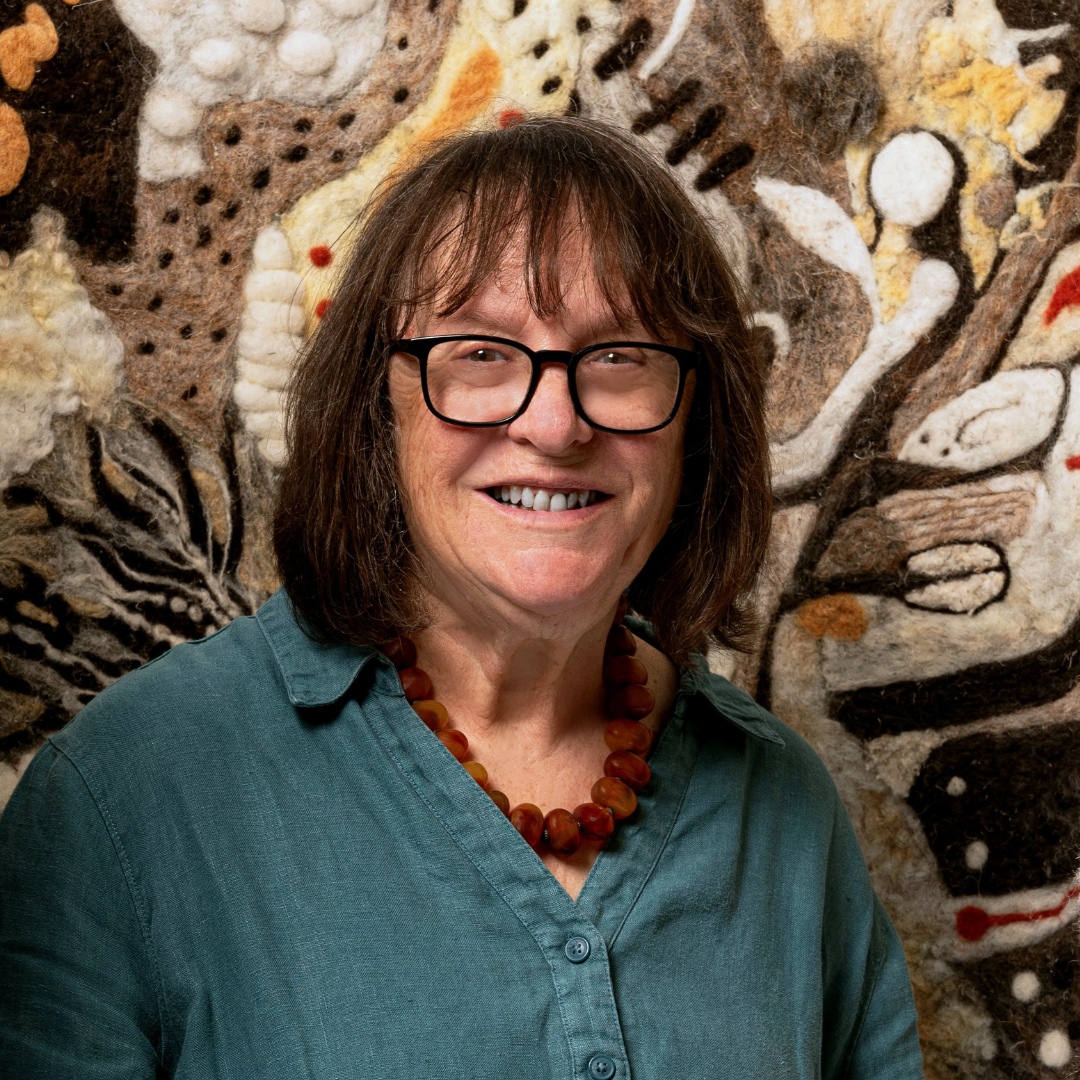
Mandy Roland-Smith creates needle-felted panels, often dramatic in scale, that are wholly sustainable and regenerative. Working exclusively with wool sourced within a six-mile radius of her home and plant-based dyes gathered locally, her practice reflects the circular life cycle of the natural world—where all elements are interconnected and ultimately return to enrich the earth.

Her work explores themes of existence, death, memory, and the continuous cycle of life. Works can be commissioned in drops up to four metres, plus smaller pieces for hangings (for example for doors) and wall panels.

The materiality of wool is central to Mandy’s practice; its qualities of texture, durability, versatility, and its regenerative nature, make it the ideal medium for exploring her environmental  concerns. “My worries for our future and our need to work sustainably sit at the core of my work,” she explains. “The urgency of climate breakdown continually informs my choice of materials and processes.”

After retiring as an art therapist and psychotherapist, Mandy undertook a six year part-time craft degree. She is committed to an active artistic practice through making and exhibiting, and is currently building a network of artists with sustainability at the core of their work, with a view to future collaborations..

Mandy received Hereford College of Art’s Award for Sustainability and has exhibited at Hereford and Wells Cathedrals. Her practice is in Hereford.

BA Contemporary Design Craft, Hereford College of Arts, 2025.
@mandyrolandsmith 

“I am a GREEN GRAD because sustainability underpins every aspect of my craft practice. GREEN GRADS has connected me with professionals whose insight and encouragement have shaped my direction and strengthened my confidence, as well as introducing me to peers for ongoing collaboration.”


Martha Lawton

Martha Lawton

At the river

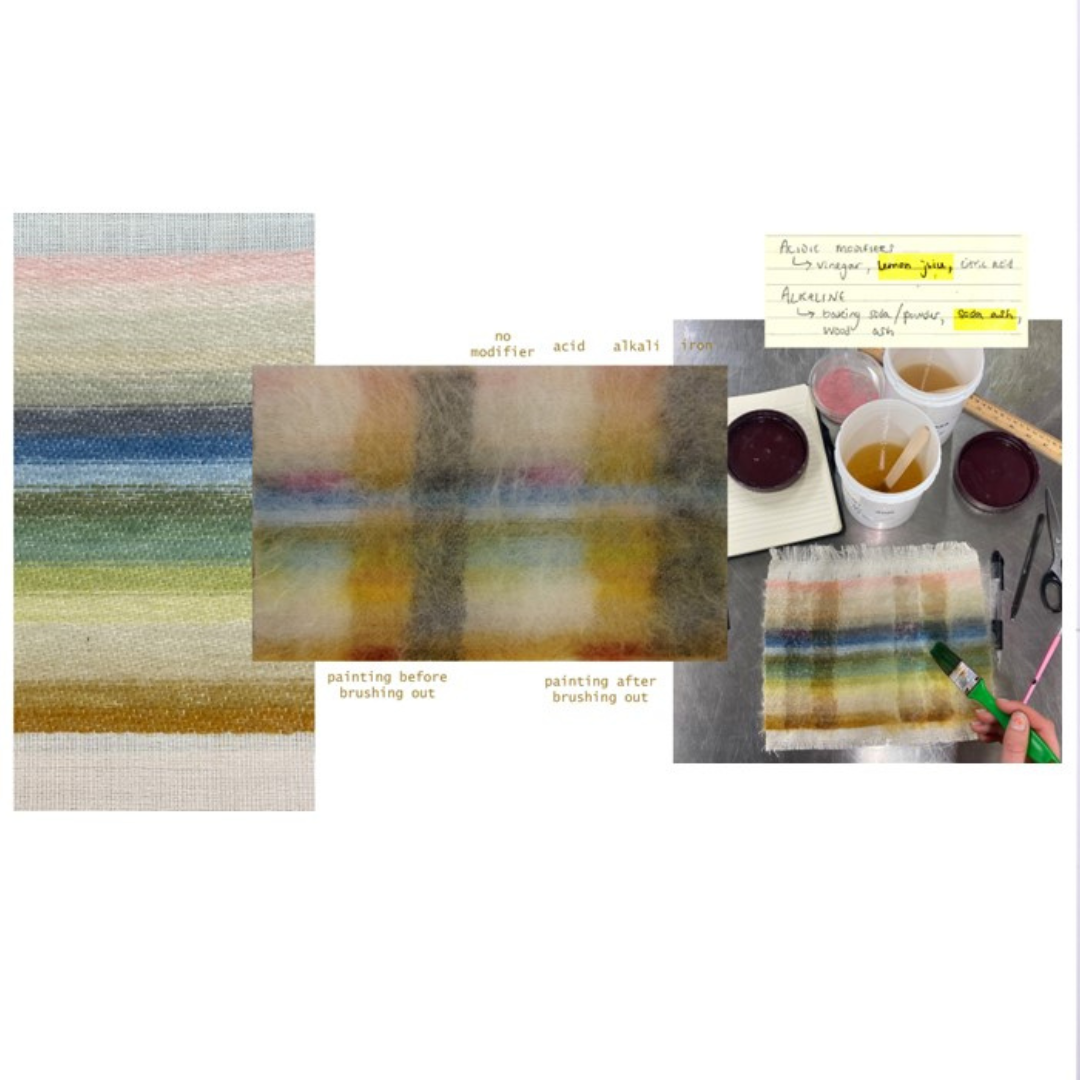
At the river explores the highly-topical issue of pollution within our waterways in a series of woven woollen paintings using natural dyes and materials. Enthused by community projects like the Friends of the Dart, Martha is translating the words, data and science around water pollution into “a tangible tactile material that makes people view this issue in a different way.”  After reading To Dye For by Alden Wicker, Martha was galvanised by the state of our textile industry. “This book revealed the untold effects of chemical dyes and fabrics in our clothes, and their toxic effects on us and the environment. Channelling this frustration and the recent headlines around water pollution in our rivers, I created “slow” textiles that do not harm the environment around us.”

Martha’s naturally-dyed colour palette was inspired by photos of her wild swimming in her local river. Martha won the UK finals of the SDC (The Society of Dyers and Colourists) Colour for Good – Creativity in Adversity Award, and represented the UK in the International Design Competition at Raffles Design Institute in Singapore last October. And she won the Camira Circular Design Award at New Designers, 2025.

BA Textiles in Practice, Manchester Metropolitan University, 2025.

@martha_lawton_

“Natural materials and ethical exploration are at the core of my work. GREEN GRADS has increased my confidence in the world of design and I now feel we can make a positive change to our industry slowly but surely.”


Mobina Rajabimoghadam

Mobina Rajabimoghadam

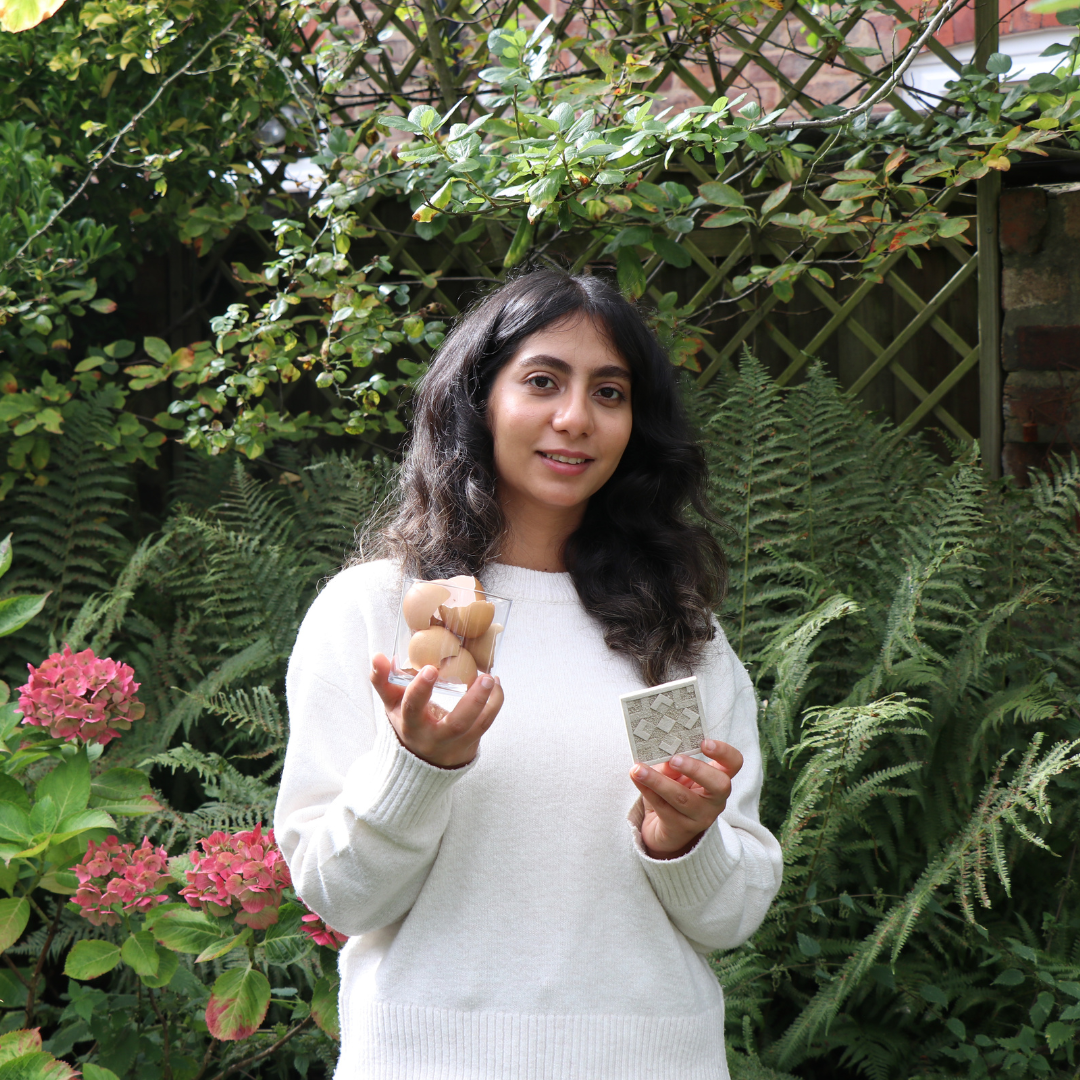
Bio Recursive

Mobina has invented a truly biodegradable biomaterial from waste eggshells, transforming this food by-product into a sustainable resource. Her material, Bio Recursive, with its appealing aesthetic, is relatively inexpensive and comes in various thicknesses. It’s mouldable and can be machined using various processes such as CNC and laser. The thin version is translucent, printable, foldable, and self-adhesive. It can even be embroidered. This material has been extensively tested for strength, compression, flex, impact and heat resistance. It diverts waste from landfill, reduces shipping emissions, and does not need virgin resources or chemically and energy intensive recycling. When immersed in water or buried in soil, it naturally decomposes within days to weeks depending on thickness. Rich in calcium carbonate, it is a natural fertiliser, completing a clean and regenerative cycle. 

Mobina adds: “Materials made from unavoidable organic waste, such as residues from food production, are one of our most underutilised resources, with poor use in industrial design.” 

Bio Recursive has won multiple Awards, including the inaugural Craft Council Excellence and Innovation Award. It has been included in the library of Material Source.

MSc Product Design, Manchester Metropolitan University, 2025.

@Biorecursive

“I am a GREEN GRAD because sustainability shapes not only my work but also my daily life, and I am sharing my biomaterials to help others design more responsibly.”


Neve Beill

Neve Beill

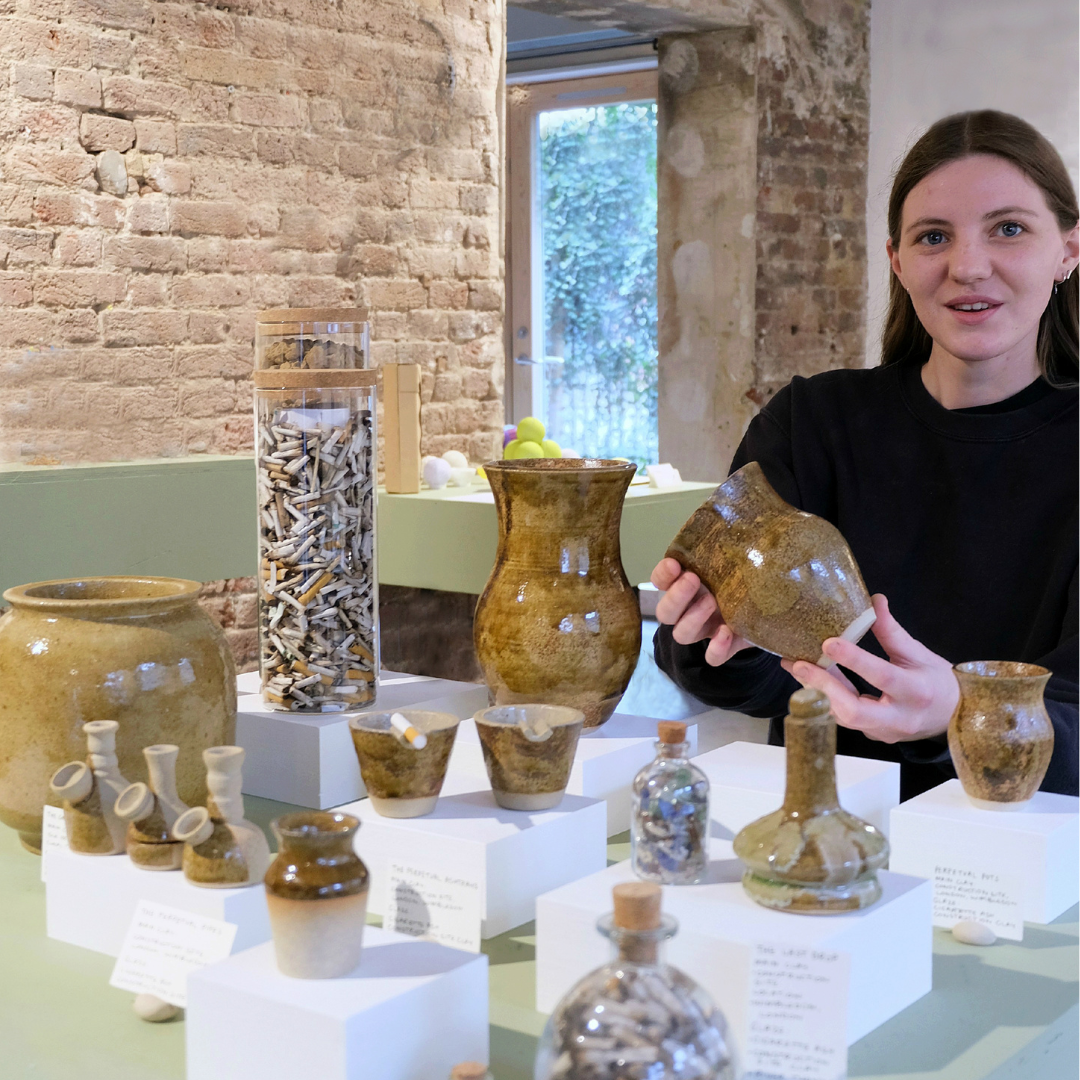
Perpetual Ash

Here is a ceramic collection glazed with cigarette ash, a unique waste material. The clay is sourced from local construction sites, while the ash is collected from pub gardens. The project explores how overlooked waste can be repurposed into refined ceramic surfaces, addressing themes of reuse, sustainability, and human behaviour.

Each glaze outcome is intentionally unpredictable, producing surfaces that complement natural and architectural materials such as concrete, wood, stone, and metal.

Ceramics is inherently energy-intensive, but Neve is committed to reducing her environmental impact. Ways to “lessen our footprint” include switching to locally sourced materials instead of over-mined commercial ones, and exploring alternative resources that are already being excavated or burned. “I aspire to find new and exciting ways to reduce waste within the ceramics industry, while pushing the boundaries of what materials can do.”

Neve has received the Cockpit Studio, Make It Award, 2025, which will provide a studio and business support for the next two years.

A recent commission was for law firm Reed Smith for their new headquarters in Blossom Yard in East London. Neve made a large vessel from foraged waste materials.

BA Product and Furniture Design, Chelsea College of Arts, 2025

@neve.beill.ceramics

“GREEN GRADS has been an invaluable experience, connecting me with fellow creators and networking with leading designers and industry professionals.” 


Ruwanthi Gajadeera

Ruwanthi Gajadeera

S.O.S – Save Our Seas

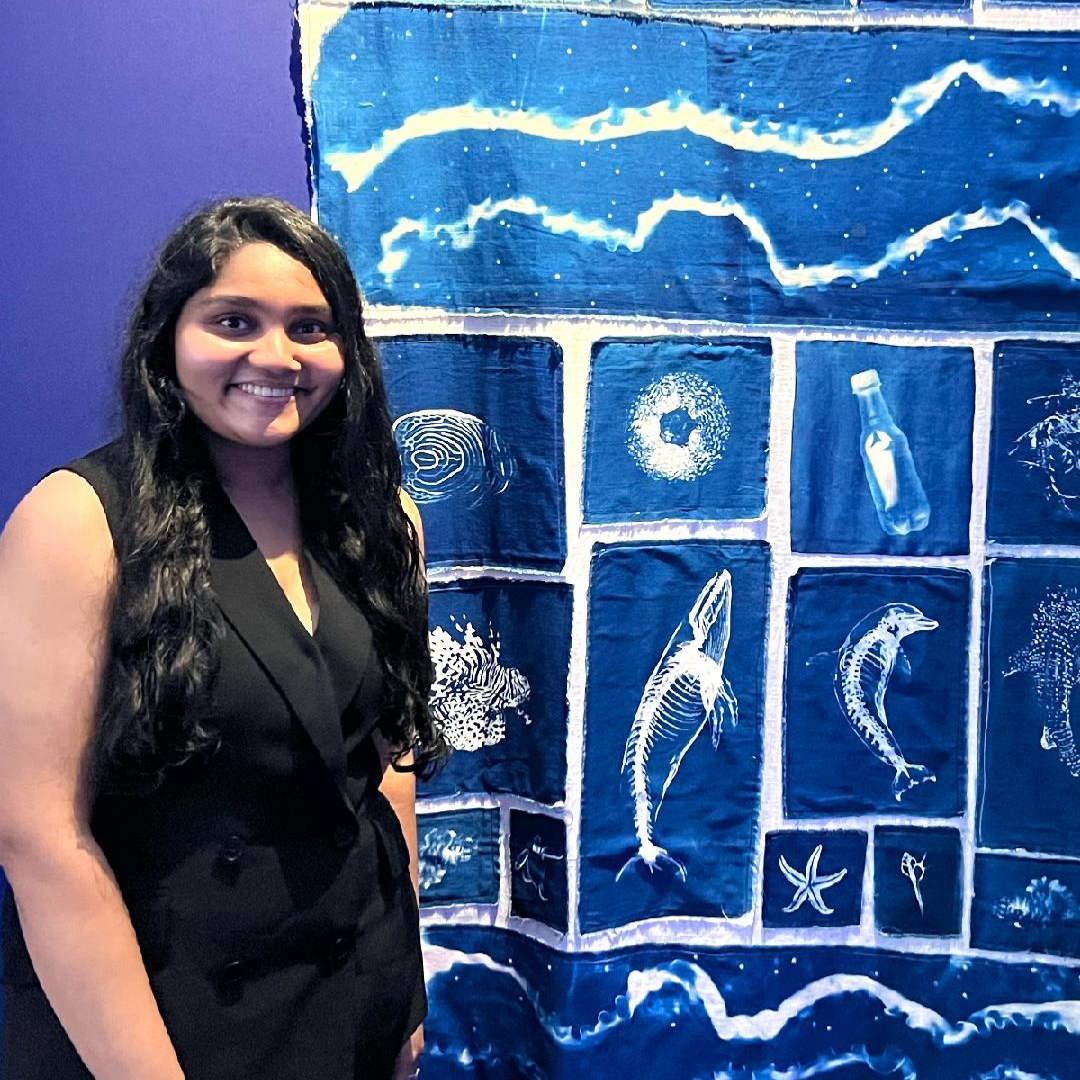
On 20 May 2021, the container ship X-Press Pearl ignited off Colombo. The flames lasted nearly two weeks. The ship emitted hazardous cargo and fuel into Sri Lanka’s coastal waters. It also released billions of contaminated nurdles (plastic pellets) that have poisoned fish, turtles, seabirds, and marine mammals. The damage is still unfolding. This disaster has been the catalyst for Ruwanthi’s “artivism”: award-winning S.O.S installations are “an immersive multi-sensory learning experience to connect emotion with ecology.” 

Centre stage are the poetic cyanotype tapestries illustrating ocean currents and the fragility of marine life. Their powerful indigo-and-white images are made with a traditional time-intensive photographic process using sunlight and iron salts – “which highlights the delicate balance between ocean fragility and resilience.” Small crochet forms made from reclaimed fibres reference threatened reefs, and olfactory expressions evoke an unpolluted coastline. “S.O.S is a living project,” says Ruwanthi. She plans to deepen its scientific grounding while widening its “sensory language,” working more closely with marine researchers, sound designers, and perfumers. 

MA Fashion, Royal College of Art, 2025.

@ruwanthi.design

“I am working with low-impact processes, reclaimed textiles, cyanotype, scent - to add emotion to environmental knowledge -  to make people feel, as well as understand. For me, being a GREEN GRAD means committing to this kind of thoughtful, regenerative practice and using creativity to open conversations about care, craft, and the future of our planet.”


Salma Garana

Salma Garana

Acetex & Acoustate

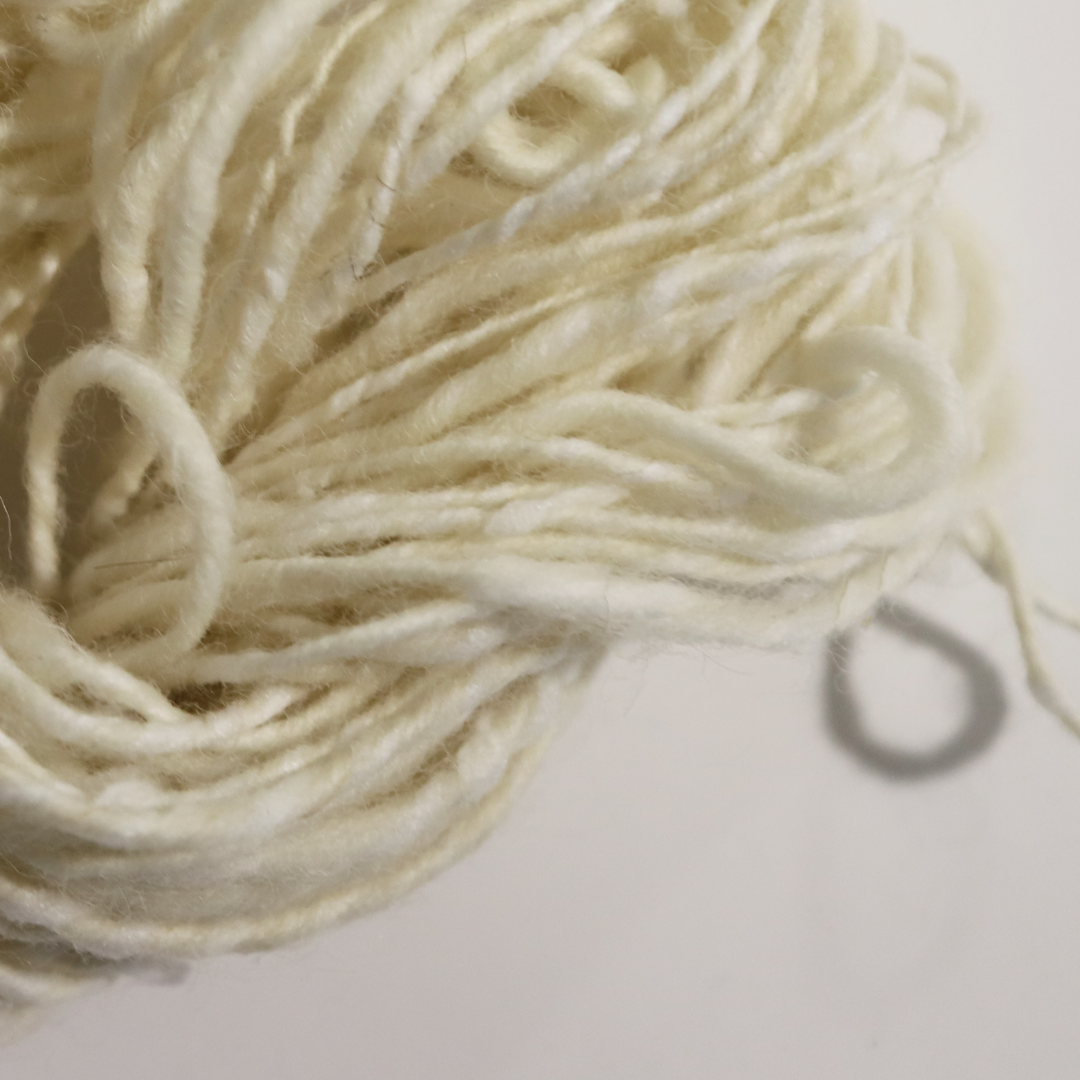
Every year, around 700 billion unused cigarette filters are incinerated, releasing 9.8 million tonnes of greenhouse gases.  Salma’s Acetex transforms this waste into a highly-versatile yarn made from cellulose acetate cigarette filters blended with British wool – the first of its kind. By adjusting the ratio of wool to cellulose acetate, Acetex can be engineered into different yarn strengths, densities, and textures.  Softer, wool-rich blends lend themselves to curtains, upholstery, and interior textiles, while acetate-rich blends create stronger, more structured yarns suitable for carpets and architectural fabrics.

Acetex is durable, moisture-resistant, thermally regulating, and naturally acoustic – and thus ideal for Acoustate refillable, repairable, and recyclable panels, a regenerative, high-performance alternative to traditional acoustic materials. Panels are modular, lightweight, and visually adaptable, ideal for open offices, commercial interiors, and residential settings. Through a take-back scheme, materials can be processed into new yarn using wet spinning, ensuring a continuous lifecycle. Now designers can specify materials that deliver acoustic comfort while dramatically reducing lifecycle impact.

Cellulose acetate is widely used in clothing, sunglasses, and other products,” says Salma.  “Cigarette filters, also made from cellulose acetate, create a massive waste stream – and massive potential. I was told repeatedly by top wool and material producers in the UK that my material was ‘useless’.” Now she is working with Dublin brand Rezero (www.rezeromaterial.com) who previously have only used waste cellulose acetate for buttons.  The aim is to expand into a completely new material market. 

BA Product and Industrial Design, Central Saint Martins, University of the Arts, 2025

@salma_garanadesign

“GREEN GRADS has connected me to a community that pushes ideas forward with purpose. Collaboration, curiosity, and innovation are genuinely encouraged. I can learn from others’ experiences and strengthen my own approach. It has also brought unexpected media attention.”

GG